Pinot Gris, Albert Boxler, 2004
Yet another, botrytized way-to-sweet out-of-balance and boring to drink Alsation wine. Take a pass. Is foie gras the only dish they serve in Alsace these days?
Asprinio di Aversa, Villa Carafa, 2005
A lot of nice white wine is coming out of Campania these days, much of it from interesting indigenous varietals like Asprinio. The Villa Carafa wines are all very well made and enjoyable to drink. Most of the time when I drink white wine I am looking for a crisp refresher to match with some simply prepared fish and this is one of those kind of wines - fresh and bright with good acidity. I’d be on the lookout for a big platter of fritto misto and a ice cold bottle of this - add a view from the Campania coast and you’ve found a bit of heaven.
Grillo, Di Giovanna, 2005
Produced from yet another southern Italian varietal you’ve probably never heard of, Grillo. However, if you’ve ever had a good crisp sauvignon blanc you’ll know what to expect from the wine from Di Giovanna. Clean, refreshing and easy to drink with a touch of that grassy/flinty character that gives sauvignon blanc its charm. This is a lovely wine for fresh seafood and would be perfect at a beach-side restaurant in Sicilia - or anywhere.
Sauvignon Blanc, Steirische Klassik, Gross, 2002
One of the most enjoyable sauvignon blanc wines I have tasted in a long time and a bargain besides. Steely, flinty and clean with just the right touch of grassy and grapefruit. No cat pee here. It was a perfect match with a dozen pristine oysters.
Bourgueil, Domaine le la Chanteleuserie, Cuvée Beauvais, 2004
Brilliant ruby, with seductive fresh picked cherry aromas hightlighted by fresh mint. A totally charming wine that slides effortlessly across the palate kicking your saliva glands into high gear in the process. Drink this pretty wine up young and slightly cool on a warm summer evening.
Pinot Noir, Goldeneye, Anderson Valley, 2003
Brooding and closed at first, this wine slowly opens into an extremely interesting pinot noir. The slight rustic, wild character is very appealing and shows in every aspect of this wine. Quite intense and on the big side for pinot, but it still hangs on to its balance and grows on you making the second glass more compelling than the first. I would hide a few bottles away for 3 or 4 years as I think this will really be stunning with some patience.
Taurasi, Radici, Mastroberardino, 1995
I discovered this gem on a restaurant wine list at a bargain basement price. No international style here. The color was brickish and the aromas had little to do with dark fruit, instead displaying layers of warm earth, wild mushrooms and new leather. Firm, almost lean on the palate, but there is no lack of sensations to grab your attention. Long and lingering flavors finish the appealingly rustic wine.
WSWA and the Pure Faith

Indiana Jones: Now you’re getting nasty.
For years, after the acquisition of our old company by Paterno Imports, I was obligated to attend the annual Wine and Spirits Wholesalers (WSWA) convention - an event that makes you feel like you need a bath if you’re in the fine wine business. It always reminded me of the scene above from Raiders of the Lost Ark because just attending the WSWA convention made you wonder if you were a Belloq or an Indiana Jones and when they included me as one of the boys it made me want to say, “now you’re getting nasty”. In fact, as you surveyed the bar in the convention hotel overrun with guys with gold chains and women in too tight, too short dresses it was hard to tell the difference between the conventioneers and the pimps and whores attending them.
The new product show is always a highlight of this event and it never, never features wine. For example, I remember the Jell-o shot years where one company hired “models” dressed as nurses in a porno movie to hand feed their new brand of Jell-o shots to conventioneers within inches of their well exposed breasts. Another famed booth offered “Black Death Vodka” in a stand featuring a real Indy Car, well associating drinking Vodka and driving at high speeds.
It is this orgy of sleaze and money, powered by spirits not wine, that drives the WSWA and it mass market distributor members who could give a sh*t about wine except for the fact that their giant spirit suppliers force them to sell it.
In this context, the recent hopeful comments by writers like Tom Warkand Mary Baker concerning the departure of CEO Jaunita Duggan seem all to optimistic. The departure of Duggan will mean nothing and as long as the engine that drives WSWA remains sprits they will continue to attack small wine producers with every weapon at their command. Duggan is not departing WSWA because of recent court decisions favoring small producers, but for bigger bucks somewhere else. Let’s face it, paper is a bigger industry than wine or spirits.
If you have any hope that the WSWA will see the light and become a friend of the small wine producer you only have to attend one of their conventions and your hopes will quickly be dashed. The fine wine people that live too long with the WSWA and the culture of large spirits distributors become Belloq, not Indiana Jones and we have little hope from them, after all, look who Belloq threw his cards in with.
Too Big for the Pig

The spectacular day combined with my anticipation for the excellent lunch soon to arrive and the charming live French music coming from the adjacent celebration inspired me to splurge a bit on the wine. Although, I confess this does not take much inspiration. I could not resist trying the 2003 La Font ď’Estévenas, Domaine Daniel and Denis Alary, Cairanne Côtes du Rhône. Although expensive for a Cairanne, I love the firm earthy intensity of a good Côtes du Rhône and as it was imported by Weygandt/Metzler it seemed especially promising.
I goofed. I should have followed a newly developing rule: When in doubt, stick with the medium priced wines on the list. Unfortunately these days, high prices usually mean you’ll get what I got: an over-extracted, over-oaked fruit bomb with high alcohol (14.5% in this case), that tasted awful with food and sedated my taste buds into hibernation. What a disappointment this heavy-handed effort was. It was so massive that even the delicious, rich roasted pork from a wood fire roasted whole pig prepared specially for the Bastille Day menu was overwhelmed.
For half the price I could have enjoyed a number of zesty southern French reds from lesser known regions that would have been a delight. I hope I have finally learned my lesson and remember that for less you often get more. Not more power, but more pleasure. When it comes to dining I prefer pleasure over power.
Tepid Enthusiasm
The restaurant was stunningly elegant - they must have spent millions. Everything in its place and everyone
It was a beautiful warm West Coast day, 85 degrees with no humidity, so the broad glass doors that formed the perimeter of the dining room were thrown open to let the evening’s cool breezes slip gently through the room. It was that sublime type of warm that oozes comfort. After stretching the limits of my wife’s patience, I finally made a choice from the comprehensive wine list. With distinguished fanfare the bottle arrived at the table, the cork was removed and sniffed. A small splash was poured into my gigantic Riedel and I took a sniff and a sip. Although it was not corked, it was not right. There is just something not enjoyable about a 14% alcohol wine served at the temperature of bath water.
Tepid red wine is not pleasurable to drink.
Why is it that restaurants that spend hundreds of thousands of dollars on custom display wine racks and hyper-expensive glassware can’t bother to serve their wines at the proper temperature? There are the bottles on dramatic wall racks or lined behind the bar, only to spend the night with the A/C turned off or warming up to the open-air temperature of a warm summer day. Red wines should be served at 68 degrees not 78 degrees.
America is the country where we serve our white wines too cold and our red wines too warm. That old saw about serving red wines at room temperature was conceived by some old British Lord sitting in a damp old castle, not some gleaming restaurant in LA or Manhattan.
Restaurants have made great strides in wine service. Wine lists have improved dramatically and great glassware is the norm, not the exception, in almost any good restaurant. Now they need to take those few last steps. I am tired of having to ask for an ice bucket for my red wine, which I have to do in almost every restaurant I visit from June to September. With the price most restaurants painfully extract from the consumer, the very least they could do is serve the wine at an enjoyable temperature.
Bad Vintage = Great Wine
Bad Vintage = Great Wine. Not the equation you usually think of, but it is often a reality. Well, it’s a reality in the hands of a great winemaker. What the best winemakers do when that bad year hits is do everything thing they can do in the vineyard, then brutally select out the best wines in the cellar and then declassify them to a humbler place name or label. The result is wines from great vineyards that usually sell at stratospheric prices are released at a fraction of the price. While they may indeed be a fraction of the wine these vineyards can produce in a good vintage, they still can offer exceptional value and let the consumer come in contact with some of the elements that can make such wines unforgettable at their best.
One such wine is the 2002 Giuseppe Quintarelli Primofiore. Quintarelli’s Primofiore is always a delight, but when vintages like 2002 curse the Veneto, wines that would normally be destined for his rightfully exalted Amarone end up in Primofiore and the results are stunning. Primofiore is a first pressing and includes all of the varietals Quintarelli grows including: Corvina Veronese, Corvinone, Cabernet Sauvignon, and Cabernet Franc, which are partially dried before fermentation, then a touch of lees from the fresh Amarone (or in the case of 2002, probably Rosso del Bepi) adds depth, structure and body. While Primofiore is only a faint shadow of the incomparable Quintarelli Amarone, it is a very lovely shadow indeed. The finish of this wine is a haunting reminder of the layered greatness of the Amarone - just at a much lower volume. However, with Quintarelli’s Amarone approaching $300 a bottle, if you are lucky enough to find some, Primofiore will only set you back $40.
Ultimate Food Porn Downloads
If you have any doubts how the Internet is changing the cookbook publishing industry you only have to visit www.tastingmenu.com
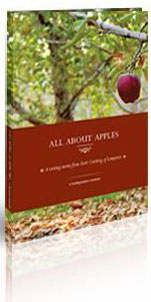
The second ebook, Autumn Omakase, a tasting menu from Tatsu Nishino of Nishino, presents an equally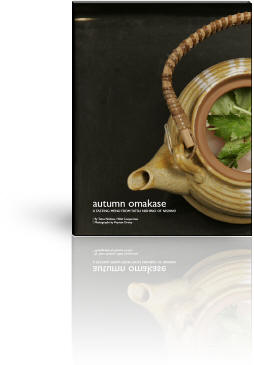
These wonderful free downloads offer a detailed look at the concepts of two chefs that you may have never discovered on the bookshelves of Barnes and Noble. Beautiful and concise, this new type of publication offers cooks information that allows the home cook to take their technique to a new level and lets you save your money for food and wine.
WBW #23 Round-up - Barbecue Wines!

This month’s host for Wine Blogging Wednesday, Joel Vincent of Vivi’s Wine Journal has posted the round-up of this month’s topic, Barbecue wines. The range of dishes and wines is truly exciting and creative so be sure to check out Wine Blogging Wednesday #23 at:
http://www.vivisjournal.com/vivis_wine_notes/2006/07/wbw23_round_up_.html#more
Thanks to Joel for hosting this month!
Grilled Fresh Anchovies and Sardines - WBW #23

Massimo marinates them briefly in extra virgin olive oil, onions, lemon and rosemary before tossing them over the hot, smoky fire for just a few moments per side. The results quickly made me forget ribs and burgers. Fortunately for me, in the USA Oriental fish shops are a good source of fresh anchovies and sardines - at least if you ask for them.
While crisp Oregon pinot gris is certainly a great choice for these little beauties, I usually find myself going back to the zesty Italian whites I would have shared with Massimo on such an occasion. While you want plenty of acidity to balance their richness, you also need a bit of body to match their full flavor. This year a bottle of 2004 Cesani Vernaccia di San Gimignano (imported by the ever reliable Montecastelli) was the perfect foil. With a firm backbone of acidity expanding into round, mineral, almond and fresh pear aromas and flavors, this is no simple tourist San Gimignano white, but a wine that will grab your attention - at least until you pop the next anchovy into your mouth.
A Light in the Forest
Trashing the trashy Wine Spectator has become the easy sport of wine writers, electronic or not. Yet, as they
Matt offers that rare combination of intelligent wine commentary mixed with good writing - something hard to come by and a recipe missing from most of the pages of The Wine Spectator. To experience the creativity and wine savvy of Mr. Kramer, you can read almost any column he has written, but there is a tremendous example of his sensitivity and clarity in the June 15th issue of the Spectator.
In his column titled “Terroir Matters”, Kramer distills the complicated concept of terroir down to an idea that any wine lover can wrap their arms around. Never have I seen anyone more eloquently and simply communicate this essential concept to those seeking to understand the beauty of wines driven by vineyards rather than technique.
As there is a good possibility that you missed Matt’s “Terroir Matters” piece on your headlong rush to get to the top pointy wines at the back of this issue, I can only encourage you to dig out your copy of the June 15th “Speculator” again and take a second to understand the flavors and feeling of terroir, so thoughtfully presented by Mr. Kramer.