On the Road Again

If it’s Friday it must be Charleston. I’ve been on a whirlwind sales trip as you can probably tell from my lack of posts recently. I’ll make up for that over the weekend as I catch up with my notes. I started off with six days in Manhattan followed by stops in Charlotte, Greenville S.C., Charleston, Hilton Head and Savannah.

As you travel though the United States these days you can’t help but be impressed by the explosion of interest in artisan wines and foods. It’s no surprise to find excellent restaurants in Manhattan, but everywhere you travel in the United States today you find excellent independently owned restaurants run by chefs dedicated to using outstanding ingredients and doing their best to source them locally. It was not so many years ago that this was not the case.

Fortunately these restaurants carry their passion over into their wine lists and it’s more and more common to find excellent offerings by the bottle and by the glass. Varieties like grüner veltliner, albarino, tempranillo and aglianico are pushing chardonnay, merlot and cabernet into minor roles on many wine by the glass lists. Wait staffs and bartenders gush about their favorite riesling, but turn up their noses when you ask about the chardonnay.

Things are changing and, in fact, are starting to change faster and faster. If this keeps up you may actually be able to get a decent glass of wine at national chains like Friday’s and Houlihan’s in a few years. Well, maybe that’s getting a little carried away. 

Technorati Tags: ,,

Drinkin' Those 88's

michel schlumberger chardonnay Not being a big fan of California wines these days, I did not expect much when I pulled the cork, but the wine soon converted me. It was certainly rich and full-flavored, but there was an underlying structure and a lot more to grab your attention than simple fruit. This was a damn good cabernet as it was very varietal and had personality, but best of all, the second glass was even more interesting and enjoyable to drink than the first. My instincts led me to check out the pointy rankings awarded this wine by the major critics. Sure enough, I was right as the point rankings hovered in the high 80's with the top wines hitting that magic number 88.

The reality is that many (if not most) of the wines that are really wonderful to drink with food are rated in the high eighty point range by The Wine Advocate and The Wine Spectator and other major wine publications. We all owe them a debt of gratitude for this service as their reviews are keeping high alcohol, oaky, over-extracted wines designed for pointy reviewers instead of dinner at the highest prices, while the very best wines are held to more reasonable price points. While those suckers are out there taking out second mortgages to grab the latest Screaming Eagle, we can grab up cases of wonderful wine for what they pay for bottles. The dangers of buying these highly rated wines with scores as high as their pH can be found in this previous post.

Somehow we need to shift our concept that the very first sip of a wine tells you more about its character than the second glass. Considering that's not likely to happen in a Wine Spectator world, we'll just have to save money and enjoy the fact that many of the best wines don't make it into the hallowed 90 point range. The point about these points is clear to anyone who knows anything about statistics. That is while there is statistically no difference between a 90 point wine and a 88 point wine, there almost certainly will be a difference in price.

These particular 88's came from the Dry Creek Estate Vineyards of Michel-Schlumberger, a brand name that must cause their marketing director migraines and proves that naming a winery after yourself is not always a great idea. I first visited this estate years ago when it was simply Domaine Michel, but with the arrival of current owner Jacques Schlumberger, of the famous Alsatian winemaking family, the name morphed into its current hyphenated form. However, this is bonus points for frugal consumers as the combination of a clumsy name with under 90 points reviews is a positive boon when the wines are this good.

  • Cabernet Sauvignon, Deux Terres, Estate Bottled, Dry Creek Valley, 2004 - A lovely structure with great balance and well integrated tannins. While it will improve for years, this wine is approachable now. I found my nose drawn to the glass again and again as I tried to identify each refined nuance. While decidedly a California wine, this is a wine made by someone who loves great Bordeaux.
  • Merlot, , Estate Bottled, Dry Creek Valley, 2004 - Here is a wine that reminds how good a merlot can be. Fragrant and soft while maintaining an edge that keeps the wine alive and delivers a long, complex finish.
  • Syrah, Estate Bottled, Dry Creek Valley, 2005 - Appropriately big, but not over the top.  You won’t confuse this syrah with grape concentrate. Meaty and oaky with a firm structure and more than enough fruit to carry the alcohol. I liked this wine quite a bit as it’s so hard to find a California wine that knows how to be big with dignity.
  • Chardonnay, La Brume, Estate Bottled, Dry Creek Valley, 2005 - Loaded with rich fruit, yeasty lees, mineral and light toasty oak aromas and flavors all tied together in a tight package. You have to wonder why more California chardonnay does not taste like this. Proof that chardonnay can be both rich and structured.


The Erudite Need Not Apply

Those that follow the writings of Jeremy Parzen on his blog Do Bianchi appreciate his erudite posts, which cover a range artistic topics ranging from food, to wine, to music and literature. Parzen is one of the most educated and thoughtful food and wine writers on the Internet and reading his blog always makes you examine your own thoughts on the topic. He makes you think and teaches in the process. I learn something new from each of his posts.

Recently Parzen applied to participate on the eRobertParker.com Forum. It’s hard to imagine someone who could contribute more about Italian wine, food and culture to a forum. However, Mark Squires, moderator of Mr. Parker’s Forum decided to decline Parzen’s application for membership. Apparently brilliant, well educated people who can write are not what they’re looking for over at the eRobertParker.com Forum. What strikes me particularly strange about this is that Wine Advocate writers Robert Parker, Antonio Galloni, Neal Martin, Jay Miller and David Schildknecht are all thoughtful, well educated people who would certainly appreciate not only Parzen’s blog, but his contributions to their Forum. Apparently Mr. Squires does not work on the same level as the Wine Advocate’s star reviewers.

The scuttlebutt around the Internet is that Parzen was denied membership to the eRobertParker.com Forum due to his connections to two bloggers already banned from that Forum: Alice Feiring and Lyle Fass, who are both writers that I enjoy, respect and follow regularly.  Yet Parzen’s posts are without the strident certainty of Alice or the rage against-the-machine character of Lyle and it is hard to understand why he would be banned. I guess guilt by association is good enough for Squires as it is inconceivable that he actually read any of Parzen’s work and still banned him.

I think most wine lovers applaud Mr. Parker’s additions of such knowledgeable writers and reviewers as Galloni, Martin, Miller and Schildknecht to The Wine Advocate. Like Parker himself, you can agree or disagree with these writers, but their consistency of palate makes their ratings a valid reference point. It is unfortunate that the bannings and censorship at the eRobertParker.com Forum are detracting from the real improvements in The Wine Advocate itself.

Perhaps it’s time to considering upgrading more than the forum software.


Susan Camp Studio

bio_picture susan bloom1 susan Susan Camp is a very talented jewelry artist that also happens to be my sister. She’s not only talented, but thin, blonde and beautiful, which means she looks nothing like me, apparently hogging all the good genes for herself. Living in upstate New York she has plenty of time buried under the snow to devote to her art, but, not sharing the Internet obsession of her brother, is only now launching her own web site. So this post is a shameless plug for my sister Susan’s new web site, Susan Camp Studio, and her work, which her loving brother thinks is amazing. Check out her work at: https://www.susancampstudio.com.

Technorati Tags: ,

W.S.W.A. Vegas 08

Image (4) W.S.W.A, the Wine and Spirits Wholesalers of American is the association of America’s largest liquor distributors. It is also the lobby that does everything possible to prevent the smallest winery anywhere in America from shipping a few bottles of wine to consumers in another state. Driven by the same wisdom that the N.R.A. uses to justify the sale of AK-47’s as sporting rifles (I guess they’re right if the prey are humans) the W.S.W.A protects America’s youth from partying down on $50 bottles of wine that they think taste like shit and have to wait weeks to get. Thank god they are there to protect America’s teenagers from alcohol in the same way that the N.R.A. has protected America’s youth at Northern Illinois University (my father’s alma mater) and Virginia Tech among so many others.Image (8)

In my past I was part of an idealistic company (long on ideals and short on cash) that had to sell out for financial reasons and was seduced by the Dark Side of the Force that promised they just wanted to get into the fine wine business. After I cut the deal with the devil, part of my new duties included yearly attendance at the annual convention of the W.S.W.A and never have I felt more soiled and embarrassed in my life as a wine professional. The only purpose of the W.S.W.A. is to preserve the monopoly of large liquor distributors that also happen to sell wine as a sideline because it lets them touch an elegance and sophistication that they aspire to, but can never understand or achieve.

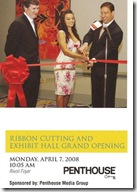
To see proof of this we only have to visit their own brochure for their upcoming convention in Las Vegas (the perfect location for them), where W.S.W.A. president and C.E.O. Craig Wolf tells prospective attendees while he understands they are there for business (wink wink, nudge, nudge), they certainly wouldn’t want to miss the ribbon cutting ceremony, which will be done by a Penthouse Playmate. Such elegance defines the W.S.W.A. I confess the four years I was compelled to attend the W.S.W.A. convention were low points of my professional career. After three days with this crowd you understand that they not only don’t care about wine, but can’t understand it. For them, it’s just another beverage to sell with the same passion they put into selling Red Bull or whatever. As far as drinking wine, for them it’s only the alcohol that goes between the multiple Martinis before dinner and more booze after dinner. One thing for sure is that every W.S.W.A. convention I attended was an event stewed in sleaze that always made me feel dirty by even being associated with it. Can you imagine how professional women that attend these W.S.W.A. conventions must feel?

The photos around this post are all from the the promotional brochure for the 2008 W.S.W.A. convention. They are proud to present themselves in this light.These are the people that want to control what wine you drink. The people that organize this debauchery in Vegas are the very same people that say they want to protect your children from the evils of winery direct sales. Look at the morals they promote to their own members. Do you believe they care about Image (5)your children. Of course they don’t. It’s all about money: their money.

This topic had come up just a few weeks ago in another post and I will reiterate my compliments to Tom Wark at Fermentation and the Specialty Wine Retailers for leading the fight against what can only be viewed as an anti-fine wine organization. As the proud father of a beautiful 26 year old woman closing in on her Masters Degree in Social Work, I also despair at the crass misogyny of this organization. Make no mistake, such people have no interest in protecting you from anything. If they can think of a way to make enough money selling vodka to your fourteen-year-old daughter they’ll do it, but until they can figure out how to do that they’ll act like they want to protect her.

If you have any last doubts about their integrity, the keynote speaker for W.S.W.A 2008 in Vegas is Tony Snow, who spent most of the last few years defending Bush and Cheney. I don’t think you’ll see many Obama or Clinton buttons at W.S.W.A. 2008 in Vegas. What you see here are their photos and words, this is what they are proud of and how they want to present themselves to their own members. Remember this the next time they tell you how much they want to protect your family. Take my word for it, I’ve been there. These old guys in their silk suits and gold chains leering at these twenty-something (hopefully) girls are not worthy of your trust. They’re just a bunch of dirty old men and their sons who want your money and will do anything to take it.

Image (7)

Technorati Tags: ,

Wine Notes

Recent wines I’ve enjoyed:

  • Weiβburgunder, pur mineral, Trocken Franken, Fürst, 2006 - Pur mineral indeed.  This is a razor blade of wine with electric acidity and flavors that slap your taste buds awake. Served with fresh Dungeness crab it was an amazing match. It took me three days to finish this bottle and it never changed a bit.
  • Riesling, Winninger Uhlen Kabinett, Mosel Saar Ruwer, Freiherr von Heddesdorff, 2005 - Bright and refreshing and a wonderful aperitif. Clean apricot with just a hint of petrol, I enjoyed the first two glasses as an aperitif on two days after work and finished the bottle with some Thai carryout. I think it is better to drink this younger rather than cellaring it as it seems all about the fruit.
  • Pinot Noir, Littorai, Sonoma Coast, 2005 - One of the best California pinot noir wines I’ve tasted. Great balance, weight and structure. One of those pinots that deftly blends both bright fruit and funk into a wine of unending interest. The finish lasts longer than you can wait to take another sip.
  • Pinot Noir, Walter Hansel, Hansel Family Vineyards, Cahill Lane Vineyard, Russian River Valley, 2005 - An excellent pinot noir that had the unfortunate luck of being served next to the Littorai. However, this is an very good pinot noir that exhibits what could be called the best characteristics of a balanced California style. Rich without being jammy with an lush balance and a lingering finish.
  • Syrah, Dry Creek Valley, Michel-Schlumberger, 2005 - Appropriately big, but not over the top.  You won’t confuse this syrah with grape concentrate. Meaty and oaky with a firm structure and more than enough fruit to carry the alcohol. I liked this wine quite a bit as it’s so hard to find a California wine that knows how to be big with dignity.
  • Nebbiolo Langhe, Serralunga d’Alba, Germano Ettore, 2005 - A real classic angular nebbiolo with tannin to spare. So many nebbiolo wines these days seem to try do disguise themselves as zinfandels these days, it’s wonderful to taste a wine like this that lets the true character of its variety sing its own song. This wine will be much, much better in two or three years, but I drank my three bottles anyway. Note to self: buy more ASAP.
  • Rioja Riserva, Muga, 2003 - What’s the deal with Rioja? The overt oaky character that I would hate in most wines just seem to work in Rioja. Muga is one of the premier estates in Rioja and this wine does not disappoint. Fragrant and elegant with a sweet oaky character that slides silkily across the palate with an underlying acidity that lifts and brightens the rich oaky fruit.
  • Brandy, Germain Robin, Anno Domini 2000 - I’m a long time fan of the California brandies produced by Germain Robin, but I had not heard of their 2000 Anno Domini when a bartender friend recommended I give it a try. I was stunned at the quality of this brandy, which literally blows all the big commercial Cognac houses out of the water when it comes to quality. The depth and complexity displayed by this spirit cannot be overstated. Except for a few producers, buying Cognac is a waste of money these days when there are spirits like this outstanding brandy.

Marvelous Marsannay

ornette_coleman_600p_01 After a particularly compelling weekend at this year’s Portland Jazz Festival I could not help but ponder what complexity is all about. On Friday I watched Ornette Coleman in what was one of most moving artistic performances I have ever experienced. This was followed on Sunday by a solo piano performance by Cecil Taylor, whose music is so complex and creative it refuses to be captured by any genre, including jazz. The thing that defines the music of artists like Coleman and Taylor is that it does not request your attention, but demands it. If you don’t focus your attention on their music you will miss the challenging beauty and energy it processes and its elegance becomes cacophony. The contrast to this is music like Led Zeppelin with big clear rhythms impossible for the deadest ear to miss. Such music requires little of the listener except to dance, not that there’s anything wrong with that. As seductive as those 95 point Led Zeppelin wines may be, true complexity can only be found in wines that demand your attention to fully appreciate them. Obvious wines don’t make you dig deeper to understand them. The best wines draw you in slowly, sip-by-sip and glass-by-glass until they finally reveal every aspect of their complexity to you. Eventually they demand your attention.

Having no time after work to grab a bite before the Ornette Coleman concert, I went out to eat afterwards and my over-stimulated brain received another jolt from the excellent Marsannay,  Les Saint Jacques, Domaine de Beauclair, 2002 I had with dinner. The dramatic increases in the knowledge of winemaking and viticulture have transformed Burgundy and appellations like Marsannay ( related posts here and here). Once a place name to be ignored, growers in places like Marsannay are often producing better wines than their more famous neighbors. This is a wonderful pinot noir with a regal richness laced across a firm backbone and bright acidity. What was most exciting about this wine was how it grew and expanded with each sip eventually becoming a wine that demanded your attention. That’s what defines complexity.

Technorati Tags: ,

Ornette Coleman

ornette_coleman_600p_01.jpgLast night’s Ornette Coleman concert was one of those rare experiences you could describe as profound. Just two years short of his 80th birthday his age showed as he slowly shuffled onto the stage, but that frailty did not show in his music. The 1 1/2 hour concert went from number to number almost without a break with no talking. Flanked by three basses, two electric and one acoustic, and his son Denardo on drums, Coleman punctuated their relentless rhythms with brilliant brush strokes of sound. It was demanding music and if you let your attention wander, if even for a second, you would find yourself desperately trying to catch up. While most of the music focused on Coleman’s current, Pulitzer prize winning album, Sound Grammar, a scattering of his earlier works also graced the evening. It seemed over as soon as it began as the time evaporated as you concentrated on the experience. As abruptly as Coleman’s music, the band suddenly put down their instruments, bowed and walked off the stage. As the crowd realized what was happening the applause became a roar and the musicians returned for an encore, after which Coleman slowly shuffled off the stage. The audience wanted more, but sensed it was too much to ask considering what they had already received and respectfully let Coleman take his leave. Genius deserves such respect.

At the end of the concert I was mentally spent from the intense concentration the music demanded. However, there is something about experiencing great art that is elevating and expands your mind. This was such an experience.

Ornette Coleman once said there was music before there was a word for it. Now I understand what he meant.

7 Little Words WBW #42

wbw7words

The task for this Wine Blog Wednesday seemed daunting to a wordy writer like me. This month's host Andrew Barrow at Spittoon proposed we comment on an Italian red wine using only seven words. At first I thought this difficult, but then, when I thought of my ultimate compliment for a wine, it suddenly became easy!

Barbera d’Alba, Marcarini, Ciabot Camerano, 2005

A wine I could drink every day.

Hot Restaurants

hot wine The food was fantastic as was the wine list. There were so many interesting wines to choose from that it was difficult to order. All was in place for a great wine evening and the Riedels on the table sparkled in anticipation of delights soon to pass from their lips to ours. The evening started with the sublime Champagne, Pierre Gimmonet, Blanc de blancs 1er Cru, Cuvée Gastronome, 2002, which is creamy, toasty and complex with a finish that just won't quit. It was paired with an assortment of pristine Puget Sound oysters and it was such a magical interplay that it only sharpened our palates for the wine and food yet to come.

The impending arrival of our next courses called for red wine and the Chénas, Vieilles Vignes de 1939, Pascal Aufranc, 2005 arrived at the table and was poured only to be met with tepid enthusiasm. That tepid response was caused by the temperature of the wine, not the wine itself. Once again a restaurant that was flying all the flags of a serious wine restaurant ignored one of the most basic requirement for serving a fine wine. Our Chénas had to be almost 75 degrees. What was an elegant, beautiful wine had been turned into a mushy, cooked hot alcoholic brew. We summoned an ice bucket and actually poured our glasses back into the bottle to try to save what we could of this wine, but, while the buckets chill dramatically improved the wine after ten minutes, putting a natural wine through this kind of roller coaster will not bring out the best in a wine.

Hot restaurants serving hot red wines is a ridiculously common occurrence. They spend and spend on the accoutrements of fine wine, but then ignore one of the basics of wine service: temperature.  Proper serving temperature for most red wines is in the 60's, not the 70's, and it's better to error on the side of cooler rather than warmer.  I am amazed how many times I've had a sommelier rave about this or that obscure producer only to pour a lukewarm wine into a glass that costs more than the wine. A restaurant that does not make the effort to serve their wines at the proper temperature cannot be considered to have a serious wine program. This also applies to their wine-by-the-glass programs where half-empty bottles languish on the back bar no matter the balmy ambient temperature.

America is the country where we serve red wines too warm and white wines too cold.

Something Like a War

cobb-sliding.jpg
 

There are few less likable people than Ty Cobb, yet he was beautiful on the baseball field. I was reminded of this photo upon my annual winter re-watching of Ken Burns’ Baseball. It is an amazing fact that this photo, taken about one hundred years ago, remains as one of the the finest baseball photos ever taken. It makes you wonder if today’s photographers or today’s players are the difference.

This is a perfect baseball photograph.

Mother Nature's Son

wswa We think of wine as such a natural and beautiful thing. It’s an artisanal product that brings a connection to nature to all those that ponder and enjoy it. Wine is Mother Nature’s Son.

Unfortunately, only a few measly percentage points of total wine production has such idyllic origins. The vast majority of wines produced are soulless industrial products, which are appropriately sold and marketed by an equally heartless industrial system of distributors. This is the middle tier of the so called “three tier system. The executives of companies that mass produce these industrial wines and those that mass distribute them move from beverage industry to beverage industry seamlessly. It doesn’t matter if they’re producing or selling Coke, Rock Star, Budweiser, Gatorade or Rutherford Hill (all companies that they slip in and out of as they move up the ladder): boxes are boxes and their job is to move them. They accomplish their mission with ruthless efficiency.

It is these cool predators that control the means by which wines go from winemaker to consumer no matter the size of the production or quality of the wine. The billions of dollars they generate selling vodka, rum, tequila and mass wine brands fund one of the dirtier lobby groups out there, the W.S.W.A. They take their millions and buy politicians who deliver them legislation that gives them market franchises not unlike your local cable company enjoys and you know how well that goes.

As you might imagine, the needs of small wine producers and fine wine consumers are buried under this mountain of sleaze and political corruption as their small voices are not likely to be heard by politicians being wined/boozed and dined in sky boxes at big time sporting events.

The 2005 Supreme Court ruling that would supposedly finally allow small producers to ship directly to consumers throughout the nation was met with a great celebration by wineries. However, what seemed a blessing soon turned into a nightmare as state after state enacted restrictive legislation that finally made the situation even worse than the bad system it replaced. Funded primarily by liquor profits, large distributors and mass liquor/wine companies have used their muscle to make it more difficult than ever for some tiny winery up in the hills of California, Washington, Oregon or other state to ship a few cases a year to a consumer that loves their wine, but would find it impossible to buy in their own market. Mind you they could care less about such wines and wouldn’t bother to ever sell them, but their paranoia drives them to seek total control. As hard as it seems to believe, producers making millions of cases of wine and marketing them through ultra-sophisticated marketing systems perceive some guy with 5 acres of pinot noir, an old tractor and some used tanks in a rutom warkn down barn picking his grapes in the rain and cold as some kind of threat that must be crushed.

Through all of this mess there has been only one clear voice out here trying to protect the interests of consumers and small producers. That voice belongs to Tom Wark, who exposes these issues through his blog Fermentation and as director of The Speciality Wine Retailers Association. Anyone craving access to the wines of small, passionate winemakers should visit these sites and sign up for the SWRA newsletter. Like the muckraking journalists of the past, Wark is exposing the political corruption and under the table money that is preventing you from buying the wines you want without having to wait for some distributor decide for you what you should be drinking.

Fine wine and food may be Mother Nature’s sons and daughters, but there is nothing about the system that gets wines from producer to the consumer that’s natural.

Worth Waiting For

woodward riesling Just over a year ago on a trip to Walla Walla, I made what I consider an essential stop on any trip to Eastern Washington and Oregon. That is the tasting room of Woodward Canyon, where I picked up a six bottles of their 2005 Columbia Valley Dry White Riesling. It was a wonderful wine fourteen months ago, but an additional year in bottle has elevated it beyond simply wonderful. A year ago it was brightly fruity, refreshing and a pleasure to drink. With the additional months in bottle it moved beyond pleasure into something that went from background to foreground, grabbing your attention and focusing your thoughts on every piece of data arriving from your taste buds. The bright fruit had evolved to a gripping minerality laced with those distinctive petroleum notes of maturing riesling all woven within a ripe white peach and racy Meyer lemon savory tart. We are now in Dungeness Crab season and it was an inspired match with some crabs brought into Newport just the day before.

What struck me the most is how the wine just grabbed my attention. It made me sit up and take notice. The mere tasting of it was not enough and each sip became more-and-more compelling. It is this demanding of your time and attention that defines great wine. I don’t think this is a level of nirvana that can be attained without aging a wine as young wines hide their real complexity under layers more obvious charms. If you can ignore it, it’s not great wine.

Super Bowl, Super Wine, Super Food

superbowl_mainpic Having been on the run quite a bit lately, Super Bowl Sunday seemed to be a good day to stay home, get organized and pamper myself with a bit of food and wine. I decided to spend the day with one wine. That way I could really taste the difference time (both for the wine and me) and different foods would make on my perception of the wine.

Sunday morning in McMinnville Oregon is a quiet time. As I am a early riser, it is very quiet. The lone bookstore is the only outlet for The New York Times, which is a pleasure I indulge myself in for several hours every Sunday morning I can, but they don’t open until ten, which is a long time after I awake. However, that’s not a problem as they deliver the stack of papers on the sidewalk in front of the store early and all I do is slide my $5 bill though the crack in the door and slip my Times out of the stack. Then I make a quick stop at the wonderful Red Fox Bakery for an espresso (Illy), a decadently buttery pastry and a warm baguette to go. Then fortified by caffeine, sugar and butter I head for the grocery store to see what’s fresh.

Today’s plunder included a Oregon black truffle the size of a big cherry tomato, some organic eggs from a local farm and some naturally raised local lamb leg steaks from Anderson Ranches. Some wonderful things to pair with the bottle of the day: 2006 Morgon, Terres Dorées, Jean Paul Brun. Anyone who knows anything about wine knows that when you pull the cork on a bottle of Brun you are in for something special.

After three hours with my nose in newspapers and my ears on the Sunday morning political talk shows, a hunger pang sent me to the kitchen. I decided to braise the lamb, making a pasta sauce for a weekday dinner in the process. This is the recipe for the lamb:

  • 2 lamb leg steaks
  • 6 cloves garlic minced
  • 1 onion diced
  • 2 carrots diced
  • 2 stalks celery diced
  • 2 tablespoons chopped fresh rosemary
  • 1 cup dry red wine
  • 1 - 28 oz. can whole peeled tomatoes ( I recommend Muir Glen)
  • Flour
  • Salt and Pepper
  • 4 tablespoons olive oil

Prepare the garlic, onion, carrots, celery and rosemary. Liberally salt and pepper the lamb steaks and thoroughly coat with the flour. Heat the olive oil in a deep sauté pan (use a pan with a cover) at medium high and when the oil is hot, brown the lamb steaks on both sides and remove to a plate. Reduce heat add all the chopped vegetables and herbs and cook, stirring often, for a few minutes. Add back the lamb and pour in the wine. Return the wine to a boil for one minute then add the canned tomatoes. Salt and pepper to taste. Mix well, cover, reduce heat to low and simmer for three hours, or until the meat is falling away from the bone. Reduce the sauce if too thin. Serve with a big scoop of polenta or mashed potatoes and a generous helping of sauce over each steak. Reserve remaining sauce for pasta on another night. Serves two.

That done for dinner and the Super Bowl, I addressed the hunger at hand and made lunch. The eggs, truffle and a bit of brie was all I needed to make a special omelet:

  • 3 eggs (please try to find fresh eggs with yokes that are more red/orange than yellow)
  • Several ounces ripe brie with the skin removed
  • 1 black truffle
  • Salt and pepper
  • 3 tablespoons unsalted butter

Whip the eggs with a fork, salt and pepper to taste. Shave the truffle into the thinnest possible pieces. In a non-stick saucepan melt two tablespoons of the butter over medium heat, when melted add the truffle slices and cook for one minute and then remove to a plate. Add the remaining butter to the pan and add the eggs, pushing back from the edges and letting the uncooked eggs run under the set eggs. While still runny, add the truffles and brie to one half of the eggs then fold the other half over the top. Let cook briefly, not letting the omelet brown too much and slide onto a plate as soon as the brie starts to melt. You want the eggs to be barely cooked, not dry. Serve immediately with a tossed salad. Serves one.

Now for the wine of the day, 2006 Morgon, Terres Dorées, Jean-Paul Brun. This is a brilliant wine, bright and fresh, but not at all simple as it is compellingly complex from start to finish. At lunch it was stunning with the truffle omelette with an elegant character that did not overwhelm the eggs, but with touches of earthy complexity under the bright fruit that brought our the best in the truffle. The truffle also brought out the best in the wine. This was a great Sunday lunch. Some six hours later, with my weekend domestic duties behind me and the rich smell of the braised lamb filling the house, at the start of the third quarter I returned to the table and the bottle of Brun Morgon. Needless to say, this was a very different food and wine combination, but the Morgon did not miss a beat. While the omelet brought out the delicacy of the wine, the lamb seemed to bring out the power. Such is the beauty of fine Beaujolais. With the lamb the backbone of refined acidity combined with the richness of the fruit flavors to elevate the whole meal. What was most interesting about the Morgon is that it did not change a bit in the course of being open the whole day. While the food changed the experience of the wine, as I could tell when I tasted it on its own before both meals, the air had not changed the wine at all. This stability means that this wine will grow and expand for years to come.

The wines of Jean-Paul Brun remain undefeated, unlike the Patriots.

Wine Notes

Recent wines I’ve enjoyed:

  • Anderson Valley Brut Sparkling Wine, Roederer Estate, 25th Anniversary, NV - I’ve had this very nice sparkling wine many times lately; several bottles at home and then one interesting experience at a wine bar. First for the wine bar experience; my local wine bar was offering both the NV Roederer Champagne Brut and the Anderson Valley Sparkling, but having had the Anderson Valley recently I, against my better judgement, ordered the Roederer Champagne. I say against my better judgment because few wines are more disappointing these days than big name Champagne. However, I took one sip and was blown away by the quality of the Roederer Brut. Not so fast, I soon found out the bartender had poured me a glass of the California Roederer by mistake. She quickly followed up with a glass of the real Champagne, which, as usual, was lackluster. The Anderson Valley Roederer continues to be an outstanding American sparkler and is clearly superior (and less expensive) then their Champagne.
  • Champagne, Grand Cru 100%, Blanc de Blancs, Reserve Brut, Guy Charlemagne, Le Mesnil-sur-Oger, NV - High strung and very toasty, this is a delicious and complex Champagne that shows the best of chardonnay in Champagne. The aromatics are delicate, but not a bit shy with a steely froth that races across the palate, stopping just long enough for a compelling finish. Although I prefer the big Bouzy Champagnes, this is an excellent wine and a bargain at $46. This is a one of those Champagnes that can handle caviar.
  • Riesling Kabinett, Selback-Oster, Mosel-Saar-Ruwer, 2006 - I enjoyed a bottle of this lovely wine over four days as an aperitif when I arrived home from work. I swear after four days in the refrigerator this wine hardly changed a bit. Such stability is a tribute both to their winemaking and winegrowing. Only perfect grapes can produce such harmony. Beautifully fragrant with honeysuckle and spices, it took effort to pull your nose out of the glass to take a sip. That sip delivered pure charm and seductive white peach and ripe pear flavors laced with tart citrus and a lovely touch of sweetness. No thought required here, just up-front delicious pleasure. Nice screw-cap, I’d drink this up young and fresh.
  • Riesling, Alsace, Albert Boxler, 2004 - This is it, riesling right on the money. No-over-the-top, off-dry, high alcohol, quasi-dessert wine from Alsace here, but a big, rich wine that maintains respect for the variety and vineyard from which it came. On the fuller gold side of color with a rich nose touched with hints of figs laced with bright apricot with touches of crisp apple that continue into the complex layered flavors. It is rich and expansive on the pallet without becoming dull as it maintains a racy, crisp essence under its substantial girth. I enjoyed this thoroughly with some of my own crispy fried chicken.
  • Monferatto Rosso, Braida IL Banciale’ di Giacomo Bologna, 2004 (60% barbera, 20% pinot nero, 10% cabernet sauvignon, 10% merlot) - Not so long ago I had a bottle of the most expensive wine Bologna produces, which I did not enjoy. Yet here is one of their least expensive wines and it was a delight. Earthy and fragrant with great complexity and balance, it was delicious with a very buttery mushroom risotto at Bice. Oddly enough, the cabernet and merlot hardly show in this wine as the backbone is all barbera and the aromatics and elegance all pinot nero. I really enjoyed this wine, which only really seemed to open with the last glass.
  • Dolcetto d’Alba, Pra di Po, Germano Ettore, 2006 - This is simply a wonderful dolcetto that I intend to buy a few cases of as soon as possible. I recommend you do too before it’s gone. This wine is all about hedonistic pleasure over the next two years, although I doubt any bottle I have will make it that far. I salivate thinking about the beautiful bright wild dark cherry and blackberry fruit flavors and aromas intermingled with hints of black truffles, new leather, sage and lavender. All of this is held together by racy acidity and some silky tannins that bring all the fruit intensity into perfect harmony.
  • Barbera d’Asti, Roberto Ferraris, 2006 - This is one of those stealth wines. It seems pleasant enough at first, but by the time you finish your second glass it has you hypnotized. What is amazing is no matter how long you leave it open it just seems to get better and better. I finished the last of a bottle that had been open for three days tonight and it was flat out wonderful. This is not a big wine, it is exceptionally balanced and the underlying complexity requires you to pay attention and introduce yourself before revealing everything. I’ve opened three bottles now and I would suggest decanting this wine for an hour before serving if, like me, you can’t resist drinking it. What this wine is not is a jammy, oaky ultra-purple barbera like so many make these days. If you can, give it a few years in the bottle and you’ll have something special.
  • Gigondas, Bertrand Stehelin, 2004 - Big and beautiful is not easy to do, but this wine achieves it. The aromas and flavors are richly pungent, bringing to mind an old fashioned butcher shop where the aromas of raw meat mix with sawdust and smoke. Intermingled with all these carnivorous sensations are ripe wild blackberries, an engaging warmth and round tannins that give it a nice backbone. I served this wine with some braised, bone-in pork loin and all three of us enjoyed the experience. While obviously too young to be at its best, this is a wine that just draws you into its sumptuous experience and you find yourself savoring each drop as you finish your glass after the meal is done.

Carbonnieux

Chateau-Carbonnieux I still remember the experience clearly. I walked into the wine shop, armed with my new found expertise provided by Alexis Lichine and Alexis Bespaloff, and purchased my first ” serious wines” to age. The year was 1977 and the wines were 1975 Château Carbonnieux Blanc and 1971 Rouge. They were priced outrageously at about ten bucks a bottle. I bought three bottles of each and placed them with honor in the new, but still empty, racks I had constructed in the unused coal bin in the cellar of the old house I lived in at the time. I had selected these wines because of the lovely stories provided by two famed Alexis’ about the Château and its wines. I kept the reds for many years and the whites for at least two or three years before pulling the corks. The precise tasting notes have long ago left my memory, but I remember them with pleasure and a certain sentimentality.

This warm recollection has led me to order many a bottle of Carbonnieux over the years. More often than not I drank the Blanc as it was widely available and a staple on wine lists. However, those days are long gone and I haven’t seen a Carbonnieux Blanc on a wine list for a long time, but suddenly there it was on the list yesterday at lunch and I could not resist the warm tug of nostalgia and ordered a bottle of the 2004. The Carbonnieux white wine vineyards are planted to 65% sauvignon blanc, 34% semillon and 1% muscadelle and, although the semillon is the junior partner, its smooth creamy oily textures dominate the blend, while the sauvignon blanc provides lift, highlights and zest to the finish. Considering the improvements in winemaking at this estate over the last decades, it’s safe to assume that these are far better wines than I drank in the past. While there are more profound whites from Graves, this is a lovely wine with a character that easily flows across the palate. In addition, the 12.5% alcohol maintains the liveliness of this wine instead of letting the dense oily character of overripe semillon make the wine heavy and dull. This Grand Cru was just labeled Graves when I first drank it, but the wine is now part of the prestigious Pessac-Léognan Appellation, which was first created in 1987.

This trip down memory lane made for a very pleasant lunch. Like, music, wine can also transport us to a different time and place.

Big Pinot

loring_wine_11310_m I never got the big pinot thing. Happily, it seems now that the pendulum is swinging the other way, best of all, it's back to my side. My biggest complaint about the point-driven fad for big pinot is that they really had no reason to exist. If you wanted a big wine there were varieties out there that could handle the job with more elan. If you want big drink syrah or zinfandel, which excel at the task, not super-charged pinot that is barely holding itself together as a wine.

Oddly enough I seem to have a new teammate in this struggle against goopy pinot noir. The odd part is that it is winemaker Brian Loring, the "poster boy" of big pinot. On a recent thread on Wine Therapy, winemaker Loring makes the following statement, "While I was the poster boy for "the darker side" of Pinot Noir... I'm happier now making wines that are in the mid 14s (alcohol) and have enough acid to live at least 3 or 4 years in bottle. I'm done with the "dry port" style... that just turns to prune juice after 3 years."

I applaud Brian for his guts and honesty. This is an almost unbelievable statement for a winemaker to make these days and only someone of great passion would take the risk. I can't wait to try some of his new wines.

While this is a testament to Brian's integrity and devotion to winemaking, it is a strong indictment against those wine writers who gave 90+ score-after-score to wines, which in Brian's own words, "that just turns to prune juice after 3 years". I can't fault Brian for this as he was doing what he truly believed in and when he found it was the wrong path changed directions. As in all art, not everything works. However, the so called expert critics should have known better. Once again reviews provided by "sixty second tasters" fail the consumer.

With all varieties there will be excellent wines made that range from robust to delicate. However, wines that are over-the-top should be easily recognized by any critic worth following.