Tosca, Ithzak and The Adams Family
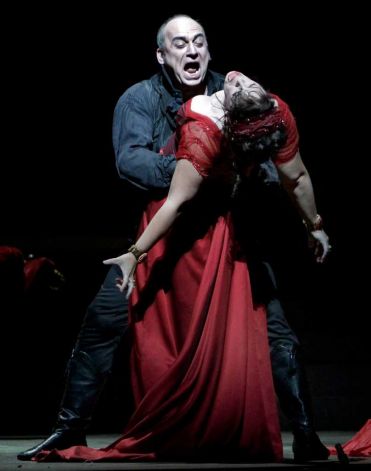
This artistic immersion began at the top with a performance of Tosca at the incomparable Met in New York, followed by a Nathan Lane romp through The Adams Family on Broadway and completed by the inspired clarity of Itzhak Perlman in recital in San Francisco. As with most things that inspire me these performances made me think about wine.
Tosca gives you restrained, confident power and emotion. The slightly naughty vaudeville of The Adams Family is all fun and escape. The delicacy and transparency of the Perlman piano and violin duets challenges you to focus on pure art stripped to the bone. These experiences were enjoyable each in their own way and each has their own purpose. It would be pointless to compare them, but that’s exactly what is done with wine. The exactitude of the 100 point scale only denies the beauty of each vinous performance.
It was easy for me to see the wines I love in these three performances: Tosca would be something like Corison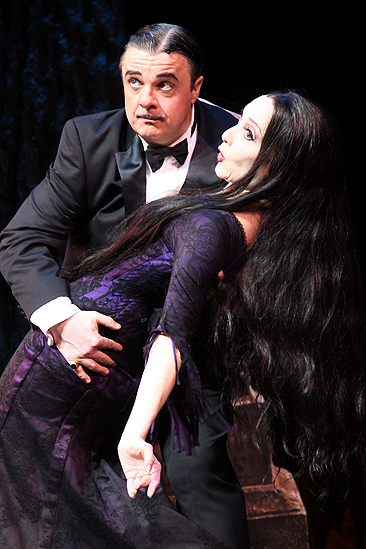
I would no more think of ranking Tosca against The Adams Family than I would scoring La Tache against a Beaujolais Villages. Each has its place and time. It is simply boring and boorish to compare and contrast such wines. They are to be enjoyed in their moment and in their proper moment each is a 100 point wine.
There is no more important word in wine than transparency, the ability to see through each aspect of its character and personality. Opulence and power are wine’s pop music - Lady Gaga vs. Puccini. While Lady Gaga may win the popularity contest it does not make her great art. Religion too easily achieved is not very spiritual.
“Sometimes you just have to let art flow over you.”
A Gift
So in a way, the 2006 Barbaresco by Produttori del Barbaresco is the financial crisis’s little gift to us: a wine that harks back to an era before the advent of Barbaresco’s Francophilia.
via Do Bianchi
No 2006 Produttori
Thor, a wine writer and blogger whom I greatly admire and an all-around mensch, wrote the other day to winemaker Aldo Vacca (left) inquiring about his decision not to bottle his 2006 crus. Thor was kind enough to share Aldo’s response and Aldo was kind enough to allow me to post it here.
Technical reason: 2006 is a very good vintage, but warm and ripe, lacking a little bit of the finesse and complexity to make a truly great S[ingle]V[ineyard wine] and yet preserve excellent quality in the regular bottling. We think 2005, lighter in body, has more fruit and balance, at least in Barbaresco and at least for Produttori.
Marketing: with the current economy we thought it more appropriate to produce a larger quantity of solid, extremely good 2006 Barbaresco avoiding a flooding of the market with too many SV wines, since 2007, 2008, 2009 will all be produced. Had 2007 or 2008 been bad vintages, we would have released 2006 SV, but since we have so many great ones, we felt we could skip one and stay on the safe side of the fence.
—Aldo Vacca
 via Do Bianchi
It is perhaps difficult to understand what unusual act is being reported here by Thor Iverson (oenoLogic) and Jeremy Parzen (Do Bianchi). Here is a producer declining to make his most sought after and highest priced wines simply because being good is not enough. Also they are not doing this in some dismal vintage full of rain and rot, but from a vintage whose only fault was too much sun. This is the very type of vintage lauded as perfect by The Wine Spectator in 2000 and nearly so in 2003. Standards like this are almost unknown in wine anymore. When was the last time there was no Chateau Lafite, Screaming Eagle and so on? I think Aldo Vacca is doing much more than just staying on the “safe side of the fence” with this decision. Standards like this are why the wines of the Produttori del Barbaresco are true cult wines in a world of pretenders.
Nebbiolo
 A Barolo/Barbaresco tasting anywhere close to home is sure to attract me like a magnet. Is there anything more elusive than great nebbiolo? Outstanding examples of pinot and cabernet from around the world have long ago proven themselves, but nebbiolo from the Langhe Hills of Piemonte remains unchallenged.
The turf wars of traditionalist vs. modernist have calmed in recent times. The new wave has backed off on all the new oak and over-extraction (not yet far enough in my opinion), while the old guard is producing wines with softer tannins due to better vineyard management.
The St. Helena Wine Center hosted the following tasting last week. It was a bargain at only $20. I am always amazed more people don’t come to take advantage of such opportunities. The tasting:
Sottimano, Langhe Nebbiolo, 2006 ($24) - I bought three bottles and should have bought more. Perhaps the greatest value in nebbiolo anywhere, the Sottimano family could call this wine Barbaresco and sell it for four times as much. However as the vines are “only” fifteen years or so old they’ve decided to just sell it as Lange Nebbiolo. High toned, concentrated and still closed, this wine needs three for four more years to show itself. Sottimano is the most intelligent and light-handed of the modernists in the Langhe today. Simply great wines across the board.
Mauro Molino, Barolo Gallinotto, 2004 ($48) - The Molino wines are less over-the-top oaky these days and much better for it. Not my favorite style, but very well made and their wines show more nebbiolo varietal character than they did in the past. A very good wine at a very fair price.
Moccagatta Barbaresco Basarin, 2004 ($65) - I just could not find much to like here. Just not to my taste, but they’re a serious winery that deserves respect.
La Spinetta Barbaresco, Vigneto Gallina Vursu, 2004 ($120) - Ever see the huckster selling sham wows on late night TV? He must be the marketing director of La Spinetta. This is an almost silly wine at a price that would be silly too - except that some people actually pay it. A rip off. Why would anyone pay $120 for this wine when you can buy a great Zinfandel (which this wine tastes more-or-less like) for a quarter of the price. Anyone who drops $120 on this wine is a fool. The wine version of the Emperor’s New Clothes.
Paolo Scavino Barolo, Bricco Ambrogio, 2003 ($62) - I have never really liked these wines, but respect Paolo Scavino for his passion and dedication to making great wine - that is just not to my taste. Unlike the cynical La Spinetta, which just went out to create wines that would get big points and big bucks, Scavino really believed in his vision. Happily he too has throttled back and is making more graceful wines. This wine is very good - very modern, but still tasting of nebbiolo and the Langhe Hills. If you like the modern style, this wine is for you, not the over-everythinged La Spinetta and it’s half the price to boot.
Mascarello Barolo Monprivato, 2003 ($88) - The nose just blew me away on this wine. Could this lifted, elegant and expansively delicate nose really be from the hot, hot, hot 2003 vintage? This is just a glorious wine and easily the best 2003 Barolo I’ve tasted. Sure their 04 is better, but this wine is nothing short of outstanding and a great accomplishment in such a hot year. This wine should really not be touched until 2013.
Rinaldi Barolo Brunate, 2004 ($150) - Well if you’re going to drop $150 on a wine you might as well get perfection and this wine is about as close to perfect nebbiolo as you’ll find. From a very, very great vintage, Rinaldi took the extraordinary fruit they got from the “Grand Cru” Brunate vineyard and got everything they could out of it. A true classic that should be aged for fifteen or more years before drinking. Today it’s all closed, tannic and promise, but this wine will deliver big time.
Oddero Barolo, 1996 ($70) - If a wine can cost $70 and be a bargain this is it. The 1996 vintage has proven itself to be among the very greatest vintages in Barolo and Barbaresco. However, if you think this wine is ready to drink you’re wrong as it’s still closed and young and needs many more years to reach its peak. Yes, it’s wonderful to drink now, but in five or six more years it should be astounding. If you think about the price of this wine in the context of how good it is and that it is already thirteen years old, I think you’ll agree this is a bargain. That a famous critic rated the flabby 1997’s higher than the regal 1996 vintage is a cruel joke on consumers.
Facing Facts
 If you tell a big lie enough people will begin to believe it. That has been the case with James Suckling of The Wine Spectator who has repeated over and over again his ranking of the 1997 and 2000 vintages in Piemonte as great vintages. The winemakers there averted their eyes when this topic would come up, all to willing to take his PR blessing to help sell these wines at higher prices. On the inside the story was very different with “off the record” comments on how problematic these two hot vintages were. Most producers admitted that these two years produced extreme wines, atypical in character that exhibited overripe flavors and aromas, which overwhelmed the classic characteristics of nebbiolo. In other words the growers themselves didn’t consider these to be great vintages and felt the wines themselves had serious deficiencies. By no stretch of the imagination could 1997 and 2000 vintages have been considered great in Barolo or Barbaresco. Suckling was wrong.
Perhaps now those wines are long sold out, producers are more relaxed and open in their assessment of these two artificially hyped vintages. In the Grape Radio video linked to below, Danilo Drocco, the excellent winemaker at Fontanafredda in Serralunga d’Alba in Barolo, leads a group through a vertical tasting of his wines and with a refreshing honesty, which is typical of Danilo, comments on the well known faults of these two vintages.
http://www.graperadio.com/podcast/GR-V-ENG-USA-2008-09-01.m4v
Hot vintages that produce big, soft wines that don’t age gracefully are not great vintages. Good vintages sure, but great vintages never. Too hot can have as many problems as too cool. Suckling incorrectly rated these two vintages and should fess up and adjust The Wine Spectator vintage chart to reflect a more accurate and widely held ranking. Ranking the 2000 vintage a perfect 100 points and 1997 an almost perfect 99, while rating more highly regarded vintages lower only damages The Wine Spectator’s credibility.
The reason for these dysfunctional ratings can be seen in Suckling’s own description of the vintages:
- 2004 - Harmonious, perfumed reds, with fine tannins and lots of freshness (89 to 93 points)
- 2001 - Aromatic, structured and firm reds with racy character (95 points)
- 2000 - Rich and opulent reds with round tannins and exciting fruit; perfection in Nebbiolo (100 points)
- 1997 - Superripe, opulent, flamboyant wines (99 points)
Once again, an American writer is seduced by opulence and flamboyance, while missing the beauty to be found in wines defined by harmony, aromatics and a lively, racy character. You’d be hard put to find a producer in Barolo and Barbaresco that will tell you that 1997 and 2000 are superior nebbiolo vintages to 2004, 2001 and 1996, which most producers believe to be truly great vintages for Barolo and Barbaresco.
Successfully avoiding strike three, Suckling rates 2003, another hot, over the top vintage, only 88 points and comments, “Many unbalanced wines due to an extremely hot growing season, but some nice surprises.” Oddly enough most winemakers, now better trained in how to handle hot vintages after dealing with 1997 and 2000, probably handled the heat in 2003 more deftly then they did in those two previous difficult vintages. You can see why serious collectors of Barolo and Barbaresco have fled The Wine Spectator in search of more reliable advice.
The video above from Grape Radio is a great piece of work and is well worth watching for the graphics and information offered. Danilo Drocco is perhaps one of Piemonte’s most underrated winemakers and he has transformed Fontanafredda into a reliable producer that often makes exciting wines. The Fontanafredda Barolo Serralunga is widely available and has been one of the best values in Barolo for years.
There is no shame in making mistakes when rating wines and vintages. With time, wine changes and you have to be willing to change along with it.
Pointless Points and Some Good Wines
 There is no worse situation for tasting wines than big trade and consumer tastings. The format is always the same; a hotel ballroom with tables arranged like circled wagons waiting for the Indians to attack staffed by local wine reps with knowledge or not of the wines being poured. The room is crowded, hot and it's tough to get through the crowds to taste and harder still to get to a spit bucket in time. It's difficult to think of a worse situation to judge a wine.
The format is not really the problem. After all, these events are really cocktail parties designed to entertain trade or consumers. Serious tasting is not on the menu and that's not a reason to attend. If you go for serious tasting, you'll be frustrated. It's a party, not a tasting and I think distributors and other wine shows have every right to put on such events as that's what people, professionals and consumers alike, really want. After all, there's nothing wrong with having a good time with wine.
What's unfortunate is that some writers and bloggers attend these wine keggers and actually score the wines they taste. I don't care if you're using the 100 point scale or a 10 point scale (which after all is just an abbreviation of the 100 point scale) to try to accurately score wines in such a situation is a disservice to your readers. The reason it's not legitimate is that the results are not repeatable. Everyone knows that if you took the same wines and blind tasted these writers that they would come up with different scores. To repeat scores comparing wines tasted in perfect conditions to the same wines tasted in perfect conditions is difficult at best. To assume that you could repeat them going from the terrible circumstances of mass tastings to prefect conditions is not only ridiculous, but dishonest. If a writer cannot be assured that their ratings would be repeated within a few decimal points if they retasted the wines under different circumstances they should not publish those scores. It not only shows disrespect for those that make wines, but those that drink them.
That being said, I offer a few notes of my favorites from a trade tasting of over 100 Italian wines in Portland Oregon hosted by Columbia Wine Company. As usual, all are recommended, but are points-free.
Admiralty Imports
Barolo Canubi, Brezza, 2001 - A classic beauty that is nowhere near ready to drink. Big time tar and roses in this wine.
Barolo Chiniera, Elio Grasso, 2004 - All you could want from one of Barolo's greats. Rich, powerful and structured.
Barbaresco Riserva, Gallina, Ugo Lequio, 2001 - Another elegant classic with great balance. An excellent nebbiolo.
Sagrantino Montefalco, Antonelli, 2004 - Deep, rich and powerful with substantial tannins. Needs age or some wild boar right now.
Brunello di Montalcino, Caprili, 2003 - Finally Brunello that tastes like Brunello instead of barrique. Earthy, structured and complex.
Toscana VDT, La Gioia, Riecine, 2004 - Yet another lovely wine from one of my favorite estates in Tuscany. As always with Riecine, the balance of this wine is impeccable. This is their Super Tuscan.
Franciacorta Cuvee Brut, Bellavista, NV - Consistently my favorite Champagne method sparking wine producer from Italy. This wine did not disappoint with its creamy, frothy texture and toasty fruit.
Pinot Grigio, Bortoluzzi, 2006 - A big step up from industrial pinot grigio. Bright and citrusy with ripe, fresh apply fruit and good depth.
Soave Classico, Pieropan, 2006 - As always, just a stunning value in a crisp white that offers real complexity beyond its bright, refreshing character. A great white wine producer.
Isola dei Nuraghi I.G.T., Sardegna, Barrua, Agricola Punica, 2004 - A dead ringer for Spain's Priorat wines from an old carignane vineyard on Sardegna. Deep, rich and powerful with a touch of porty ripeness.
Bolgheri Sassicaia, Sassicaia, 2004 - A perfectly politically correct wine with just the right amount of everything. Svelte and stylish. Their website is just terrible.
Toscana IGT, Crognolo, Tenuta Sette Ponte, 2005 - Deeply colored, powerful, rich and velvety with big, sweet oak highlights. A modern Italian wine of the first degree. Not for traditionalists.
Chianti, Borgianni, 2005 - This is a very, very nice Chianti for the price. Real character and personality. Best of all it tastes like sangiovese, not merlot.
Chianti Classico, 2005 - You can see what a great estate this is by its straight Chianti Classico, which is a structured beauty with touches of black truffle and porcini mixed in with the ripe clean fruit.
Chianti Classico Riserva, 2004 - A potentially exceptional wine with a few more years in bottle. Great character and complexity in a balanced wine of great length.
Coltasalla, 2004 - Always outstanding, Coltasalla is a single vineyard wine produced from sangiovese and mammolo only. Happily there's not a French variety to be found in the blend. A wine of great depth, complexity and personality that needs to be aged.
Prosecco, Zardetto, NV - I've been seduced by this charmer for years. A delightful little pleasure.
Roero Arneis, Bruno Giacosa, 2007 - As with everything Giacosa produces, their Arneis is a perfect example of this variety.
IGT Veronese, Palazzo della Torre, Allegrini, 2005 - Smooth and velvety with a richness without heaviness. A good reminder how much I love wines from Valpolicella. This is a ripasso, which adds the extra texture on the palate.
Delle Venezie IGT, Pinot Noir, Kris, 2007 - This is just a pretty little pinot noir. Serve lightly chilled at summer picnics, with Asian food or pizza. Light, fruity and delicious, it's almost more like a dark rose than a red wine. Totally charming. It's a little sad to see it called pinot noir instead of the Italian pinot nero, but I understand the marketing decision.
Vino Nobile di Montepulciano, Valdipiatta, 2004 - A blend of 85% prugnolo gentile (sangiovese) and 15% canaiolo that fortunately is not overwhelmed by a brief voyage in barrique before going into large casks. The angular, rustic character of Vino Nobile is preserved in this interesting wine. The edgy character makes this a great steak wine.
A Treasure Hunt in Manhattan
Like a treasure map in an old movie it was tattered and frayed and the rest of the place was well past its glory days. Everyone seemed from another time and the bustling world outside had somehow left them all behind.

That's how I felt as I sat down to dinner in Manhattan's venerable Barbetta Restaurant, which passed its 100th birthday in 2006. The once regal dining room now seems a bit frumpy and worn. Like a Grand Dame trying to still play the femme fatale in her old age, Barbetta's age is not disguised by all the makeup. However, hidden under the stodgy and slightly tattered surroundings are some real treasures. First is the food, which is well executed traditional Piemontese cuisine. The food is well made country cooking, which however good, seems out of place with all the tuxedoed waiters and formal service. What's important here is that the cooking is solid because the main reason to eat here is the treasure map that is presented when you arrive at your table: the wine list.
If you love the wonders of Barolo and Barbaresco this wine list will almost bring you to tears. The thick, if slightly worn tome, is filled with page after page of deep verticals from the finest producers of the Langhe zone. This is simply a stunning collection of Baroli and Barbaresci that exceeds many (if not all) of the restaurants around Alba itself. On top of this, the prices are not only fair, but outright bargains considering that you are dining on Restaurant Row in Mid-Town Manhattan. The only downside of this list is that it comes with a bored, grouchy sommelier whose main claim to the job seems to be that he was born somewhere in Piemonte. However, the quality of the wine list alone will overwhelm all of Barbetta's negatives for nebbiolo lovers.
My wine selection for the evening was the stunning, classic 1995 Marcarini Barolo Brunate, which was priced under $100, an almost unbelievable value at any restaurant in the United States, is an amazing value by Manhattan standards. While there was a full range of the great vintages from 1996 on, I chose this 1995 over the more famous years as I knew it would be more ready to drink. I have been fortunate to enjoy the 95 Brunate many times over the years and it has never disappointed and is now finally reaching maturity. The aromas are fleetingly intense with a delicate lacework of fragrances that engage both the mind and body, this is nebbiolo at its hauntingly powerful best. Lean and grippingly brilliant on the palate with layer after layer of complex dark fruit, black truffle, burnt orange spices and lilting wild flowers riding on the firm, but not bitter tannins. Wines like this are more experiences than a drink.
Barbetta is a veritable treasure chest for nebbiolo aficionados.
Wine Notes
Recent tastes -
- Champagne, André Clouet, Silver Brut Nature, Grand Cru Bouzy, NV (under $45) - Clouet has rapidly become one of my favorite Champagne producers. Rich, creamy, toasty, complex and intensely dry. This is a wine that would be hard to explain to those used to the more innocuous flavors of industrial Champagne producers. Great bubbly.
- Champagne, Delavenne Père & Fils, Cuvée Rose, Grand Cru Bouzy, NV (under $45) - Lots of flavorful pleasure here, but what impresses me most about fine Champagne are the wonderful textures and the creamy frothiness that coats your palate with complexity and pleasure. Bouzy seems to be the epicenter of complex grower Champagnes. The lovely copper color is a inviting prelude to the bright wild strawberry fruit with a lively frothy texture and a long creamy finish. An excellent wine.
- Semillon, L’Ecole No. 41, Seven Hills Vineyard, Walla Walla Valley, 2006 - Big oily, yet dry and bracing. Too bad the alcohol is a bit over the top. Semillon continues to be one of Washington’s most interesting whites. Lobster and crab come quickly to mind when you take your first sip.
- Rioja, Remelluri, 2001 - Just as you would expect there’s plenty of oak here, but it somehow seems to work in Rioja. Very aromatic and spicy with a great balance and an interesting intertwining of sweet oak, tar and ripe bitter cherry fruit. Though thought of as a modern-style Rioja, it seems almost old fashioned compared to today’s fruit bombs. A very nice wine that is more than interesting to drink.
- Barbera d’Alba, Marcarini, Ciabot Camerano, 2005 - This is a wonderful barbera. A beautiful deep ruby with an expansive nose redolent of wild blackberries it is deeply flavored, yet lively and zesty. The combination of power and depth with an almost electric back bone make this an extraordinary pleasure to drink.
- Barbaresco Riserva, Pora, Produttori del Barbaresco, 1999 - I always feel the worship that surrounds the Produttori wines is a little excessive. While dedication to the traditions of the Langhe are to be respected, some traditions are better left behind. The Produttori wines always seem a little hollow compared to other fine traditionalists who have found ways to stay true to the integrity of their vineyards and nebbiolo while bringing to the forefront more fruit character. That’s not to say I did not like this wine, which I did, but these wines are mostly good bargains as compared to being great wines. That being said, this is a very good nebbiolo, although the fruit has already dried out leaving little to balance the substantial remaining tannins. It certainly will be interesting for many years, but will never attain perfect balance.
Barbaresco Bric Balin, Moccagatta, 1999
Barbaresco Palazzina, Montaribaldi, 2000
Barbaresco Roncoglie, Poderi Colla, 2000
Ruby with garnet hints. Translucent. Quite ripe even a hint overripe. Sweet plum, spicy with earthy hints. Floral with violet hints. Round and ripe on the palate with quite a tinge of very ripe fruit. Dark canned cherries and raspberries followed by very apparent but well integrated tannins. Should mature somewhat more quickly than usual.
Barbaresco Rabajà Giuseppe Cortese
The incline of the hill is steep and every speck of the grayish soil bakes in the hot sun. The entire slope is a wave of vines and the southwest/south exposure means not a leaf misses a moment of sunshine. This is the famed Rabajà vineyard located just outside of the town of Barbaresco. Certainly this vineyard was created to produce exceptional nebbiolo and a vineyard of similar potential in Burgundy would be considered a Grand Cru. However, there is no such official breakdown of vineyards in Langhe; just an informal acknowledgement among those in the trade as to what the great vineyards are - an acknowledgment clearly defined in the selling price of the wines, grapes and land.
The sun drenched calcareous and clay-heavy soils of Rabajà produces Barbaresco wines with a unique combination of power and elegance that makes them approachable in their youth, but rewards those who cellar their bottles with wines of great complexity and refinement.
From vines in the very heart of this special vineyard come the Barbaresco wines of Giuseppe Cortese, a small producer making a fine range of wines only from their own grapes. In addition to Barbaresco Rabajà, Cortese produces the excellent Barbera d’Alba Morassina and Dolcetto d’Alba Trifolera from a vineyard area just to the south of Rabajà. The wines of Cortese have been improving consistently for years and in recent vintages they have been releasing some very fine wines. Giuseppe Cortese, after decades working as an agronomist for other top producers, founded his own estate and now with the next generation - son and daughter Pier Carlo, an enologist, and Tiziana - they are making this estate a must for collectors of traditionally styled wines from the Barbaresco zone. While the fermentations have a slight modern touch, their Barbaresco does not see a small barrel, spending the years in large casks of 17 to 25 hectolitres ranging in age from new to nine year old. Only the Barbera Morassina sees barrique and with excellent results, once again showing the affinity of the high acid/low tannin barbera for small French oak barrels in controlled doses.
Barbaresco Rabajà, G. Cortese, 2001 ($45) Bright light ruby with orange and garnet hints. Quite translucent. Elegant, floral nose with rose petals and violets blended with a buttery tar. Full structure on the palate with layers of complex flavors: dried leaves, tar, orange spice, warm tar and ripe plum flavors all of which continue into the long finish that has a touch of cassis to balance the considerable tannin. A wine with excellent aging potential.
Beppe Colla
For over fifty years Beppe Colla has made wine in the Langhe and has seen the transition of this zone from a region on the edge of disaster to the home of some of the worlds most expensive and sought after wines. From his first vintage in 1948 ( a disastrous vintage) and his just completed 56th vintage in 2004 (which looks to be an excellent vintage) he has seen it all and possesses an encyclopedic knowledge of every aspect of the climate and vineyards of the Langhe zone and has personally experienced every vintage of the modern era of Barolo and Barbaresco. It is this incredible range of experience that he brings to winemaking at Poderi Colla.
After working for other producers, Colla acquired the Prunotto winery in 1956 and quickly set about turning it into one of the regions best wineries. In 1961, (in his opinion the finest vintage he has experienced) he bottled the first range of single- vineyard wines in the zone: Barolo Bussia, Barbaresco Montestefano, Nebbiolo Valmaggio, Barbera d’Alba Pian Romualdo, Dolcetto d’Alba Cagnassi, Freisa Ciabot del prete. Their quality and clear distinctive character convinced others to follow his lead and changed the entire concept of winemaking in Barolo and Barbaresco, which had always been blended wines. As a founder of the “cru” concept in the region Colla has firm ideas of what are the finest vineyards of the area and singles out the following sub-zones as the greatest nebbiolo vineyards:
Barolo: Cannubi a Barolo, Brunate a La Morra, Bussia a Monforte, Rocche di Castiglione a Castiglione Falletto, Vigna Rionda a Serralunga, Ginestra a Monforte
Barbaresco: Montestefano a Barbaresco, Rabajà a Barbaresco, Gallina a Neive, Rizzi a Treiso, Roncaglie a Barbaresco.
When asked what were his favorite wines he produced during the time at Prunotto he singles out:Barolo Bussia 1961/1971/1982; Barbaresco 1964/1971/1978; 1961 Dolcetto d’Alba Caramelli; 1967 Nebbiolo d’Alba Occhetti; and 1971 Barbera d’Alba Pian Romualdo. Many of these classic Barolo and Barbaresco wines still appear on the auction market. I thought it was interesting to note that his favorites were not only Barbaresco and Barolo.
Looking back on almost six decades of winemaking Colla notes with satisfaction, “I have now seen, that after a first period of strong criticism, that all the producers have accepted the philosophy of bottling separately the different top vineyards.”
Sottimano 2002
 Andrea Sottimano rushes into the small tasting room of his family’s winery in Barbaresco. He is covered with dust and sweat, removing his hat he smiles disarmingly and says, “sorry, I’m late”.
You know right away that this is no gentleman farmer’s estate. Andrea was, as always, out in the vineyard working their vines. At the Sottimano estate they take the phrase “great wine is made in the vineyard” to a new level. Each of their vines is treated like a Bonsai tree in a Japanese garden. Nothing is too much for these vines to ask.
The ultimate proof of their skills and dedication in the vineyard sits in the glasses in front of me as Andrea pours the full range of their 2002 vintage. This was a year so difficult that many producers gave up, selling their wines off in bulk. The Sottimanos did not give up, but attacked their vineyards with a vengeance, reducing yields to ridiculous levels. This intensity extended beyond simply reducing bunches as they even dropped the lower half of the remaining bunches to the ground.
If you’re wondering why they do this it can’t be for the money. The Sottimano Barbaresci sell for under $75 – or less than many Napa Cabernets that harvest many tons an acre more than they do. This is a work of passion and they have even reduced pricing to encourage consumers to try their 2002’s. If you don’t have a cellar to age your Barbaresci the recommended eight or so years before they mature, these wines are a must buy as they offer pure nebbiolo pleasure in a package ready for drinking sooner rather than later. This is not to say they will not develop nicely with several more years of aging.
The 2002 Barbaresci from Sottimano are not the greatest Barbaresci you will ever taste, but they are an amazing accomplishment and will provide delightful drinking while you are waiting for their exceptional 2001’s and 1999’s to mature. In another testament to their skills in the vineyards, their 2000’s offer more complexity than the simple charming, forward wines offered by most producers.
Sottimano new releases:
2004 Dolcetto d’Alba, Bric del Salto
Brilliant purple. Rich, juicy blueberry and loganberry fruit. Mouthwatering, zesty and fresh. Drink now. My mouth waters just writing about this charming wine.
2003 Barbera d’Alba, Pairolero
Bright ruby with a hint of purple. Ripe chocolate bittersweet aromas mixed with ripe, yet tart sweet black raspberry. Expansive and alive on the palate. The finish is long with rich brightness and a touch of cassis.
The 2002 Barbaresco releases of Sottimano, all are highly recommended. Tasters will be hard pressed to separate these wines from many producers 2001’s in a blind tasting.
Fausoni
Rich translucent ruby. Spiced, tobacco, tar and smoky cranberry aromas. A wine of great nebbiolo purity with very good depth and structure. Not at all simple or overtly forward, yet already approachable.
Currá
Brilliant ruby garnet. Smoky and meaty with bitter current and ripe fresh red raspberry. Very structured and still closed, but still drinkable with pleasure. The finish is warm. Mouth filling with warm spiced tarry highlights. As usual, Currá is a brooding nebbiolo.
Cottá
Brillant ruby garnet. Firm, earthy and leather aromas mix with dense bittersweet black cherry. Very tarry and generous on the palate with a richly tannic finish blended with sweet burnt blood orange and long bitter tar accents. Big and intense throughout with a warm rich, tannic finish.
Pajoré
Always the most elegant of the Sottimano Barbaresci, this wine does not disappoint in 2002. Brilliant ruby garnet. The wonderfully refined nose is full of roses, violets and pomegranates. On the palate it is full of spices, smooth bitter cherry and ripe blackberry all mixed into a velvety yet tannic package. Irresistible.
Basarin
A new vineyard section recently purchased by the Sottimano family. In an ultimate statement to their dedication to quality, the Sottimanos have decided to wait another ten or so years to call this wine Barbaresco again and will just sell it as Langhe Rosso. This means they will sell it at about 1/3 the price that they could selling it as Barbaresco, even though they are fully able to do so both legally and morally. While not up to the level of their other 2002 Barbaresci, it is still a very nice wine and better than many Barbaresci sold on the market. It is a bright ruby garnet, with an elegant spiced nose. It is bright and fresh throughout. Refined and balanced, the finish is vibrant with a firm, tannic finish.
Shortly I will follow up with some comments on the Sottimano family’s equally deft touch in the cellar.
Pictured above, 2004 Dolcetto from Bric del Salto at harvest.Ca' Rome Barolo and Barbaresco
Everything is in its place: each item in perfect order and sparkling clean in a perfect combination of art and science. “Everything is special here,” says Romano Marengo “The wine, the lights and me”
Everything is indeed special at the Ca’ Rome winery located just outside the town of Barbaresco where the Marengo family: father Romano and his son and daughter, Pino and Paola make some of Langhe’s most elegant wines. The small winery is both a museum and working winery as the walls are carefully decorated with winemaking artifacts from the Langhe zone in a beautiful combination of art and functional design. This is one of the cleanest and most thoughtfully organized wineries you will find anywhere and all this attention to detail is reflected in the superb quality of their wines.
After thirty years as an enologist Romano realized his dream of having his own estate and Ca’ Rome was born in 1980. The family produces wines only from their own vines and only in great years. Recently the Marengo’s sold off their entire production from 2002 as not up to their standards. It is impossible to buy a bottle of Ca’ Rome that is not of the highest quality.
Romano and his enologist son, Pino, make wines at Ca’ Rome that are refined, elegant and extremely complex: not the kind of wines that hit you over the head. These are wines that grow and expand on the palate into a perfect harmony of the power of nebbiolo in Barolo and Barbaresco with a restrained elegance that is hard to describe, but an experience to taste. These wines dance across your palate — not take it prisoner.
The Barolo and Barbaresco wines of Ca’ Rome are traditional in style with most of the aging taking place in large 25 hectoliter barrels of Slovenian oak. Their color is textbook nebbiolo showing a translucent brilliant ruby with garnet hints and the flavors realize the promise of these beautiful tones. However, winemaking at Ca’ Rome is not 100% old-style as about 30% of the nebbiolo is aged in 225 liter French barrels. This touch of new oak adds a layer of complexity to these wines without adding a bit of new oak flavor.
The Marengo family is fortunate to have some of the best vineyard locations in the Langhe with Barbaresco vineyards in Rio Sordo and their “cru” Maria di Brun and Barolo vineyards in two of Serralunga d’Alba’s finest locations: Cerretta and Rapet. The character of each vineyard shows clearly in their wines and is accentuated by their light touch in the cellar. Considering the prices of Barolo and Barbaresco these days the wines of Ca’ Rome are tremendous bargains. Also highly recommended is the excellent Barbera d’Alba La Gamberaja from vineyards in the Serralunga zone and their soon to be released 2003 is about as good as Barbera gets. “It’s perfect,” comments Romano with a sly smile.
He might be right.
Tasting Notes:
2000 Ca’ Rome Barbaresco Maria di Brun ($65)
While most winemakers are more enthusiastic about their 2001 wines, winemaker Pino Marengo is smitten by the pleasures of his 2000 vintage offerings. One taste of this wine and you understand his enthusiasm for the vintage. The color is a glittering light ruby with garnet and orange hints. The rich nose is very complex with layers of good Cuban cigars and tar blended with plums and bitter cherries. The wine is powerful, yet extremely balanced without a hint of over-ripeness. The finish is packed with bitter tar and baked cherry fruit. How can a wine have tannins so intense, but so refined at the same time? I would suggest at least five more years of aging before enjoying this excellent Barbaresco.
1999 Ca’ Rome Barolo, Cerretta ($60)
Radiant light ruby with garnet. This brooding nebbiolo has a hard mineral/iodine note that blends with the aromas of dense tar with ripe spiced plums. The texture is wonderful seeming lean at first then expanding into a concentrated blend of dense wild berries, licorice and tar flavors. The finish is incredibly long with sweet tar flavors requiring a toothbrush before they go away. The tannins are still intense at this point and I would wait until at least 2010 before pulling the cork on this stunning wine. This wine is probably available at some great prices as retailers make room for the hyper-hyped 2000 vintage so keep an eye out and if you see a deal grab every bottle you can.